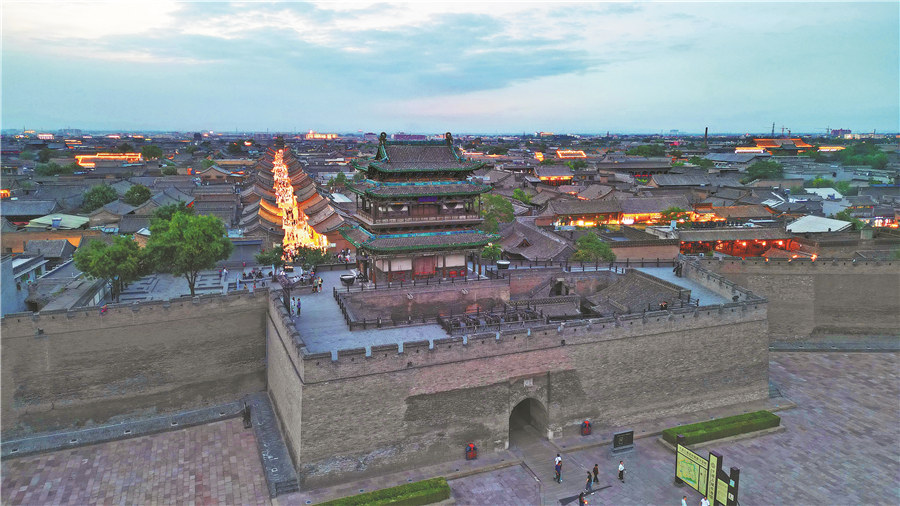
Traditional Chinese Courtyard
Introduction
Traditional Chinese courtyards, known as siheyuan, represent a quintessential architectural form in Chinese culture, reflecting the harmony between man and nature. These courtyards are enclosed residences, typically comprising a quadrangle layout surrounded by buildings on all four sides. Rooted in Chinese history, they serve not only as living spaces but also as embodiments of cultural values, social structures, and aesthetic principles. The design of these courtyards is intricately linked to Confucian ideals, emphasizing family unity, hierarchical order, and respect for nature. The balance and symmetry of these structures are symbolic of the harmony desired in social and familial relationships.
History
The origins of traditional Chinese courtyards can be traced back to the Western Zhou Dynasty (1046-771 BCE), with their development reaching its zenith during the Ming (1368–1644) and Qing (1644–1911) dynasties. These periods saw the proliferation of siheyuan across various Chinese regions, adapting to local climates and materials. The architectural style was influenced by Confucian philosophy, which stressed social hierarchy and family as the core unit of society. The layout of the siheyuan facilitated these ideals, with the main building reserved for the head of the family, while secondary buildings accommodated other family members in accordance with their status. The courtyards not only served as homes but also as communal spaces for gatherings, rituals, and business dealings, reflecting the multifunctionality of Chinese traditional architecture.
Examples of Traditional Chinese Courtyards
Prince Kung's Mansion - Located in Beijing, this mansion is a fine example of traditional Chinese courtyard architecture with beautiful gardens, halls, and courtyards.
Pingyao Ancient City - This well-preserved ancient city in Shanxi province features traditional courtyard houses that showcase the architectural style of ancient China.
Lingnan Garden - These gardens in southern China, such as those in Guangdong and Guangxi provinces, often feature traditional Chinese courtyard designs with a blend of local styles.
Wang Family Courtyard - Situated in Shanxi province, this large traditional courtyard complex is a prime example of northern Chinese courtyard architecture.
Shikumen - Found in Shanghai, these traditional stone-gate residences combine Western and Chinese architectural elements, including courtyard layouts.
Preservation and Modern Adaptations
The preservation of traditional Chinese courtyards has gained increasing attention as urbanization and modernization threaten these historical structures. Efforts are being made to protect and restore these courtyards, recognizing their cultural and architectural value. In places like Tangzhahe East Street, residential buildings have been listed as cultural relic protection units, integrating heritage exhibitions, leisure activities, and tourism to sustain their relevance. Additionally, modern adaptations of traditional courtyard designs are emerging, blending contemporary needs with traditional aesthetics. These adaptations often involve incorporating modern amenities and sustainable practices while preserving the architectural essence and cultural significance of the original structures.








